Posted on

Timber Joinery Maintenance: Simple Steps for Long-Term Performance

One of the most common misconceptions about timber joinery is that it’s “high maintenance.” But with modern finishes and a bit of basic care, timber windows and doors can last generations — and look great doing it.

Here are a few simple maintenance tips:

  • Keep it clean: Regularly wipe down frames to remove salt, dust, or debris — especially if you’re near the coast.

  • Check your finish: Every few years, inspect the paint or stain. Small touch-ups now can prevent bigger issues later.

  • Look for movement: Timber naturally expands and contracts. If you notice sticking or gaps, talk to your joiner early.

  • Recoat on schedule: Your manufacturer will recommend a recoating schedule based on exposure — following it will significantly extend the life of your joinery.

Timber is a premium product, and with just a little care, it will reward you with decades of warmth, durability, and natural beauty.

Posted on

Glazing and Timber Joinery: What You Need to Know

Glazing plays a crucial role in how timber joinery performs. From insulation to safety, it’s not just about the glass — it’s about how it all comes together.

At JMF, our glazing options are designed to align with NZS 4211 compliance requirements, so manufacturers and specifiers can be confident they’re meeting performance standards. But good glazing isn’t just about compliance. It’s about comfort, too.

The right glazing system helps regulate indoor temperature, reduce noise, and improve energy efficiency. And when paired with timber — a natural insulator — the results are even better.

Want to go further? Options like double or triple glazing, acoustic glass, or low-e coatings are easily integrated with JMF joinery, and can be tailored to suit your climate zone, building orientation, and aesthetic preferences.

Posted on

The Importance of Certified Timber Joinery in New Builds

When building or renovating, every detail matters — and your choice of joinery can have a big impact on performance, longevity, and compliance.

Certified timber joinery, like the products manufactured through the JMF system, ensures that what’s being installed in your home or building project isn’t just beautiful — it’s tested, verified, and compliant with the New Zealand Building Code. This is especially important in high-wind or exposed coastal areas, where performance matters most.

Timber joinery that meets NZS 4211 gives you peace of mind. It’s a standard that confirms windows and doors have been tested for water tightness, wind resistance, and structural integrity. When paired with JMF’s engineering support and compliance tools, it’s easier for builders and designers to specify with confidence.

Whether you’re a homeowner, builder, or architect — asking for certified joinery is a smart step in futureproofing your project.

Posted on

Why choose timber joinery

When selecting materials for your home’s doors and windows, timber joinery offers unparalleled benefits that make it the ideal choice for New Zealand homes. Here’s why choosing timber can significantly improve the comfort, health, and sustainability of your home.

1. Superior Thermal Performance Timber naturally has excellent thermal resistance compared to other building materials. As a poor conductor of heat, timber window and door frames help retain heat during the winter and keep your home cooler during summer. This makes timber joinery a top choice for maintaining stable indoor temperatures throughout the year.

When paired with double or triple glazing, timber windows provide even better insulation, reducing the need for constant heating or cooling. This not only makes your home more comfortable but also lowers energy costs, saving you money in the long run.

2. Healthier Homes Timber joinery can also contribute to a healthier living environment. Condensation is a common problem with other materials that conduct heat, as moisture in the air forms on cold surfaces like window frames. Since timber is a poor conductor, it doesn’t create the same cold surface, significantly reducing condensation.

Less condensation means less moisture build-up, which in turn leads to drier interiors. A drier home is a healthier home, reducing the risk of mould and dampness, which can be harmful to occupants’ health.

3. Environmentally Friendly Timber is one of the most sustainable building materials available. It’s long-lasting, renewable, and has a low carbon footprint. Hardwood species like cedar, commonly used in timber joinery, offer durability while minimizing environmental impact. When responsibly sourced, timber offers several eco-friendly benefits:

  • Carbon sequestration: During its growth phase, timber absorbs and stores carbon.
  • Low waste: Timber offcuts can be repurposed in various ways.
  • End-of-life uses: Timber can either be reused or burned as biofuel, further reducing its environmental footprint.

By choosing timber joinery, you’re making a positive environmental choice for your home.

4. Design Flexibility Timber offers a versatile design option, capable of being shaped to fit any architectural style. Whether you’re renovating a classic villa or building a sleek, modern home, timber frames can be customised to suit your project’s aesthetic.

Unlike other materials, timber can be painted any colour and easily sanded down and repainted if your tastes change over time. Its adaptability makes timber ideal for those looking for a durable yet flexible design choice.


Why Choose JMF Timber Joinery? While timber joinery offers numerous advantages, it’s important to understand the complexities surrounding compliance with the New Zealand Building Code. Timber joinery is not automatically classified as an “Acceptable Solution” under the Code, meaning additional steps are required to demonstrate compliance.

When you specify JMF joinery, you’re choosing a hassle-free path to compliance. Our products are tested to NZS: 4211 standards, making them compliant with the Building Code’s B1 (Structure) and E2 (External Moisture) clauses. JMF’s testing acts as a Verification Method, simplifying the process for architects, builders, and homeowners.

For non-tested joinery, compliance must be demonstrated using an Alternative Solution, which can be complex and may not always be accepted by local authorities. This method requires you to present calculations, comparisons with compliant products, or expert appraisals, which may not guarantee approval.

By choosing JMF, you avoid this complexity, and you can rely on our testing data and technical support to ensure your timber joinery complies with the Building Code seamlessly.


Where to Start Whether you’re a homeowner planning a renovation or an architect working on a high-end project, it’s crucial to involve a joiner early in the design process. This ensures there are no surprises when it comes to compliance, and your joiner can assist with engineering and thermal calculations, along with other technical requirements.

JMF provides architects and specifiers with access to a range of online tools and resources, including detailed profiles and installation guidelines. We also offer support throughout the consent phase, helping to provide additional evidence or technical advice required by councils or building authorities.


Get in Touch with JMF If you’re ready to choose high-quality, compliant timber joinery for your next project, we’re here to help. JMF’s expert team is available to answer any questions and provide the tools and support you need. Contact us today at 021 566 092 or email admin@jmfnz.co.nz to learn more.

Choose JMF timber joinery and experience the benefits of superior thermal performance, healthier homes, and sustainable design—all backed by industry-leading compliance support.

Posted on

Navigating Compliance

At JMF, we provide New Zealand’s most comprehensive range of NZS: 4211 compliant timber joinery, including doors and windows that have been thoroughly tested for quality and durability. Since our inception in 2012, our network of independent manufacturers has delivered high-performance joinery solutions to homes across the country. With over 130 manufacturers, from Kaitaia in the North to Invercargill in the South, we have the reach and expertise to meet the needs of any project.

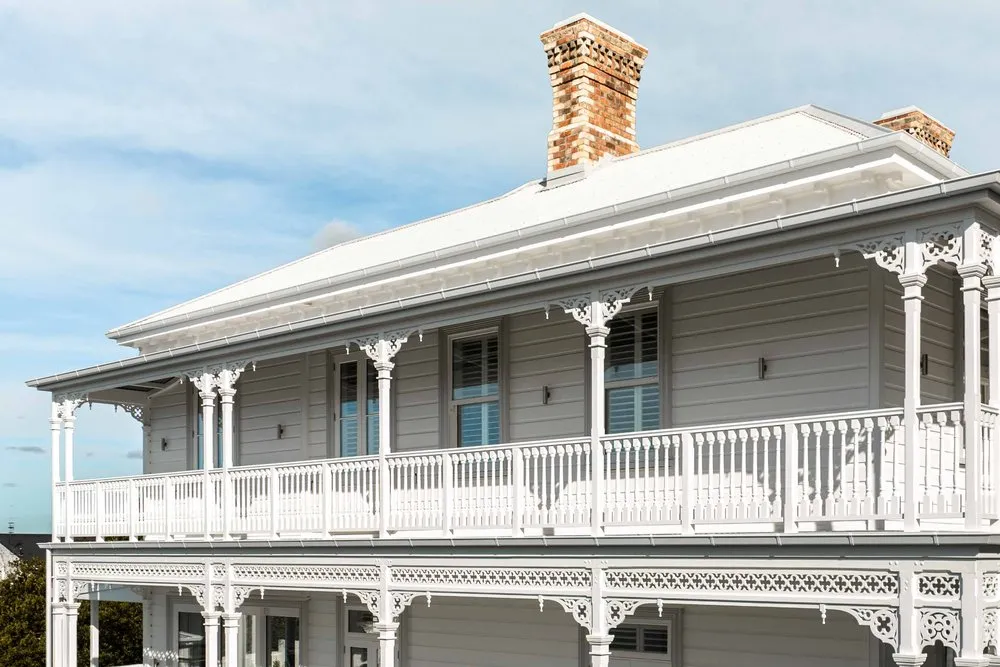
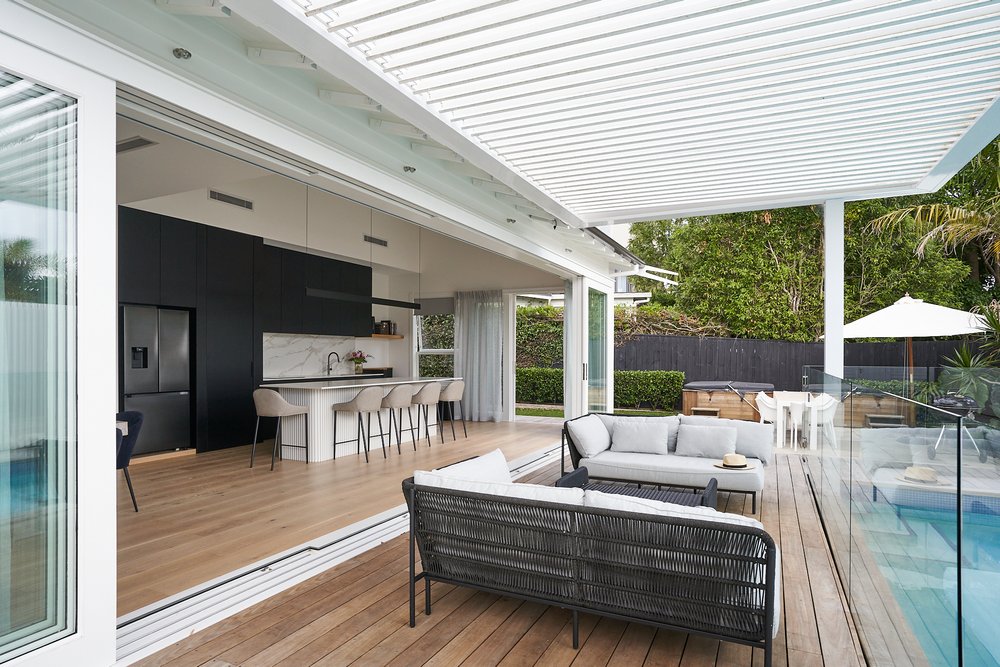
Whether you’re renovating a heritage villa or building a modern architectural home, JMF timber joinery offers a range of solutions tailored to every project. Not only is timber joinery visually appealing, but it’s also the top choice for enhancing thermal performance, helping to keep Kiwi homes warmer, drier, and healthier.

Your Legal Obligation as a Manufacturer: If you manufacture timber doors and windows in New Zealand, it’s crucial that your products comply with the New Zealand Building Code. The Building Code includes several clauses specifically relating to doors and windows, such as:

  • B1 Structure
  • B2 Durability
  • E2 External Moisture
  • F2 Hazardous Building Material
  • G4 Ventilation
  • G7 Natural Light
  • H1 Energy Efficiency

Regardless of the project—whether a new build, renovation, or repair—you are responsible for ensuring your work meets these standards, even if the architect or council hasn’t checked for compliance.

Why Become a JMF Manufacturer? In New Zealand, timber joinery is not classified as an “Acceptable Solution” under the Building Code. This means that when timber joinery is specified for a project, you must demonstrate its compliance with all relevant clauses of the Code. There are two ways to do this:

  1. As an Alternative Solution
  2. Through a Verification Method

With JMF joinery, compliance is straightforward. Our products have been tested to NZS: 4211 standards as well as comprehensive installation testing which allows you to label your joinery as compliant with the relevant B1/VM1 and E2/VM1 clauses of the Code as a Verification Method. JMF provides the testing data and support services necessary to ensure your products meet the required standards from design to consent stages.

Producing untested joinery means having to prove compliance through an Alternative Solution. This process is far more complex and may not always be accepted by councils or other authorities. You’ll need to demonstrate compliance using one or more of the following methods:

  • Your own calculations or tests
  • Comparison with acceptable solutions or verification methods
  • Trade literature
  • Appraisal from a third party
  • In-service history
  • Other expert evidence

By partnering with JMF, you can avoid these complexities and simplify the process of proving compliance.

What Else JMF Offers:

  1. Comprehensive Manuals: We provide detailed manufacturing manuals that cover the full JMF joinery suite, ensuring that all manufacturers follow a consistent and high-quality process.

  2. Compliance Tags: As a JMF-affiliated manufacturer, you can purchase compliance tags to attach to your joinery, making it easy to demonstrate that your products meet Building Code requirements. These tags serve as a “green ticket” with the council, showing that your joinery is Code-compliant.

  3. Technical Support and Advocacy: JMF offers ongoing technical advice and support, helping you navigate any challenges during the consent process. Whether you’re working with architects or building consent officers, JMF will advocate for you.

  4. Tools for Compliance: We provide tools to help you meet compliance standards for other Building Code clauses. Our H1 thermal calculation tool and engineering calculator are designed to simplify your compliance efforts.

  5. Commitment to Future Development: JMF is committed to advancing the timber joinery industry in New Zealand. We continuously invest in product development and testing to keep up with legislative changes, ensuring that your products remain compliant with the latest standards.

  6. Industry Connection: JMF is owned by Master Joiners, New Zealand’s industry body for joiners. As a JMF manufacturer, you’ll be part of a strong support network, giving you access to resources and representation.

How to Join Us: We are always looking to partner with new manufacturers. If you’re interested in becoming part of the JMF network, we’d love to hear from you. Give us a call on 021 566 092 or email us at admin@jmfnz.co.nz to start the conversation.

Join JMF today and make compliance with the New Zealand Building Code easier while delivering premium timber joinery to Kiwi homes!